

Central Heating Powerflushing in Milton Keynes
Is your heating taking longer to warm up than it used to? Perhaps some radiators are noticeably warmer than others, you have cold areas that never seem to heat properly, or your central heating has become noisy or less effective over time.
The problem may not necessarily be your boiler.
Over time, sludge, rust and other debris can accumulate within a central heating system, restricting the flow of water through radiators and pipework and affecting how effectively heat is distributed around your home.
PGS provides professional central heating powerflushing in Milton Keynes and the surrounding areas. Our experienced heating engineers can assess the condition and performance of your heating system, identify whether contamination is contributing to the problem and advise whether powerflushing is the right solution.
Rather than simply recommending a powerflush based on symptoms alone, we look at the wider heating system to understand what is actually causing the problem.
What Is a Central Heating Powerflush?
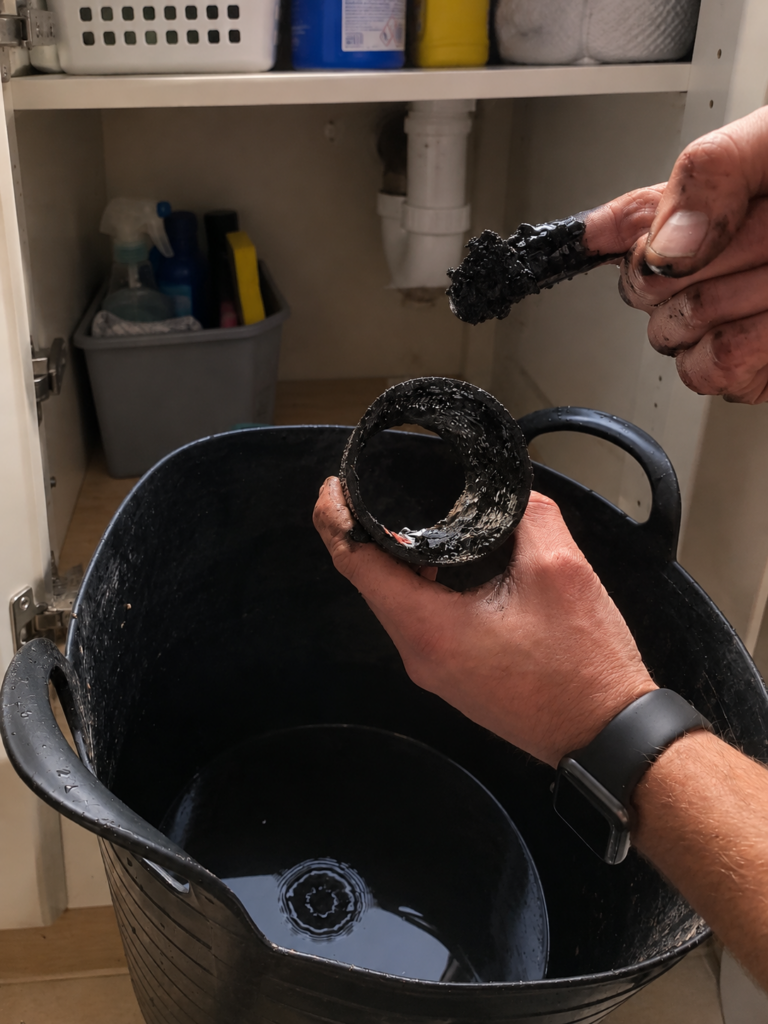
A central heating powerflush is a specialist cleaning process used to remove sludge, rust and other contaminants from radiators, pipework and the wider heating system. Removing this contamination can help restore circulation where sludge is restricting the flow of hot water around the system.
As water continually circulates through radiators, pipework and heating components, corrosion can occur within the system. Over time, the resulting deposits can collect inside radiators and pipework, restricting circulation and affecting heating performance.
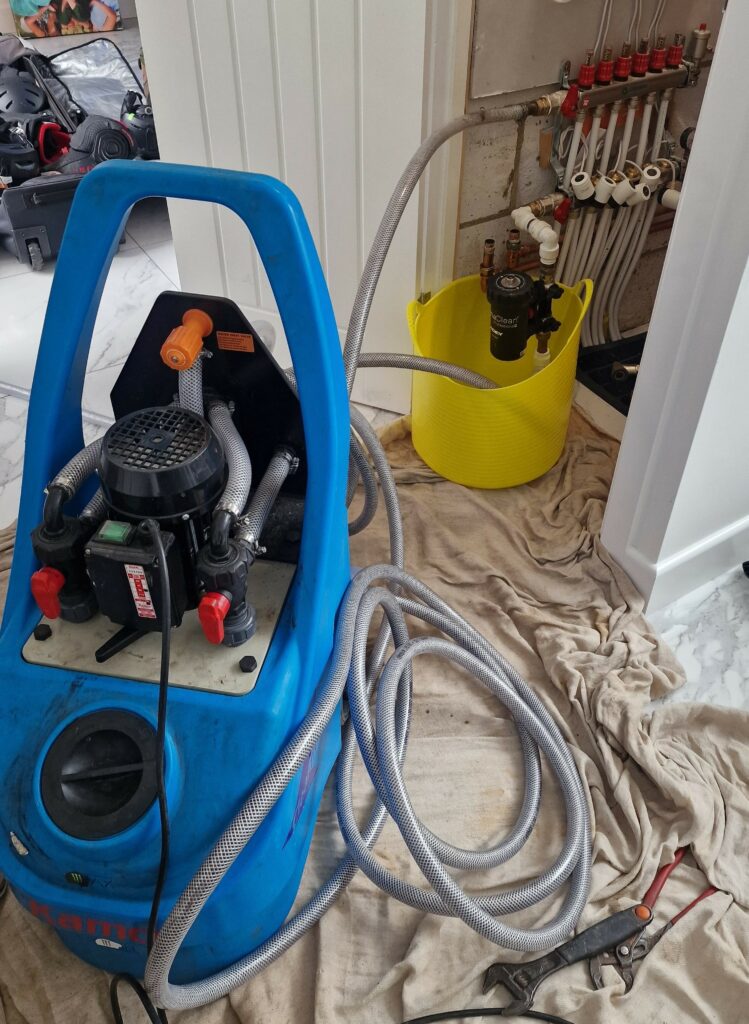
During a powerflush, specialist equipment is connected to the central heating system and cleaning solutions are circulated through it to help loosen and remove accumulated contamination.
The system is then thoroughly flushed to remove the dislodged debris and contaminated water, helping to restore cleaner, more effective circulation.
However, poor heating performance does not automatically mean your system needs a powerflush.
Faulty pumps, valves, heating controls, system balancing problems and boiler faults can produce similar symptoms. This is why identifying the cause of the problem before recommending a solution is important.
Signs Your Heating System May Need a Powerflush
Heating system contamination can develop gradually, which means you may notice small changes in performance long before the system stops working altogether.
Possible signs of sludge or restricted circulation include:
- Radiators that are cold at the bottom
- Radiators taking longer than usual to warm up
- Some radiators heating more effectively than others
- Cold spots across individual radiators
- Heating that feels uneven throughout the property
- Banging, knocking or gurgling noises from the heating system
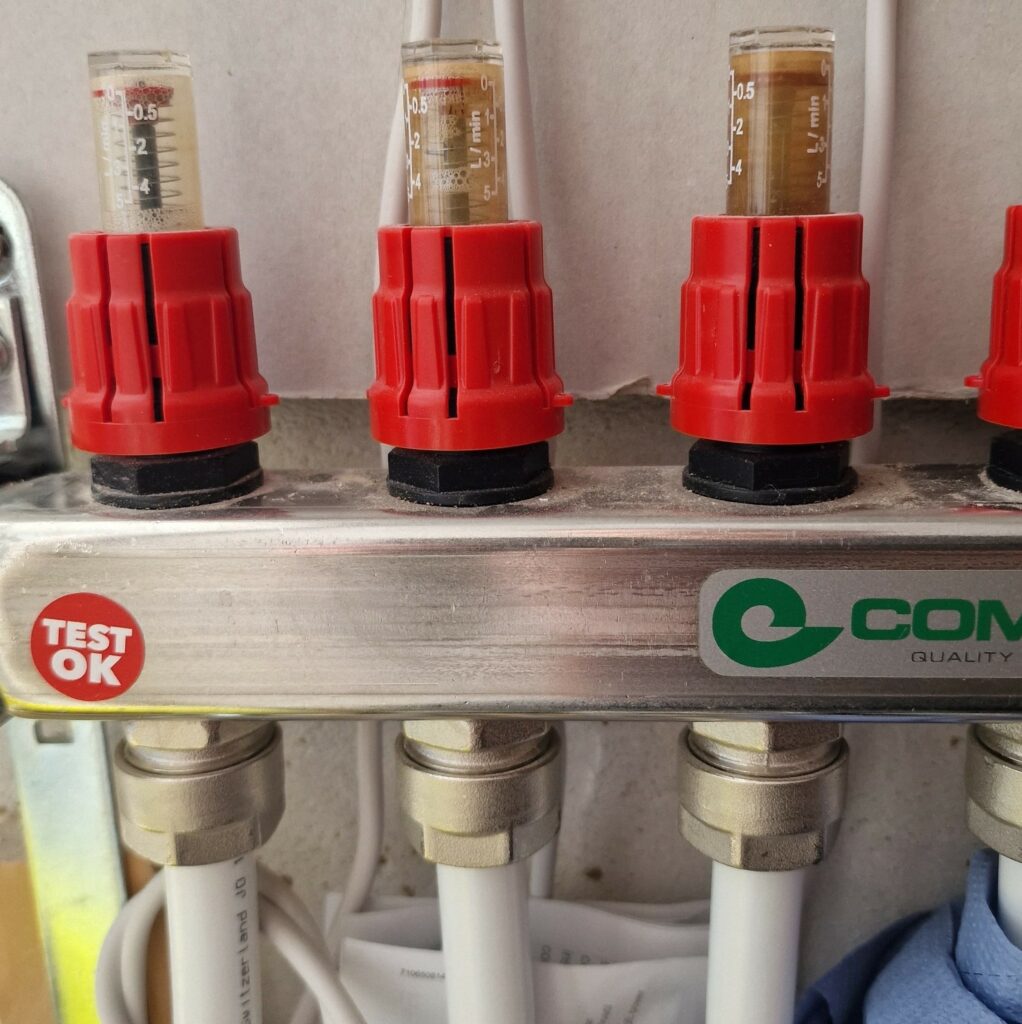
- Dirty or discoloured water when radiators are bled
- Poor circulation through parts of the heating system
- Recurring radiator or heating performance problems
- A heating system that does not appear to be performing as effectively as it once did
These symptoms do not necessarily mean that powerflushing is required.
For example, a radiator that is not heating properly could be affected by a valve, balancing or circulation issue, while unusual noises can have several possible causes.
PGS can assess the symptoms and wider heating system to establish what is causing the problem and recommend what to do next.
Not Sure What's Causing the Problem?
You don’t need to diagnose your heating system yourself.
Tell us what you’ve noticed and our team can help you work out the next step, whether that’s investigating a boiler fault, checking the wider heating system or assessing whether powerflushing could help.
What Causes Black Sludge in a Central Heating System?
What Problems Can Heating Sludge Cause?
Because a central heating system contains water alongside metal radiators, pipework and components, corrosion can gradually develop within the system.
Oxygen in the water reacts with the metal, creating corrosion products including magnetite, the dark iron oxide responsible for much of the black sludge found in contaminated heating systems.
Small amounts can gradually accumulate and circulate around the system before settling within radiators, pipework and heating components.
A few factors can contribute to contamination, including:
- The age and condition of the heating system
- Historical corrosion within radiators and pipework
- Inadequate levels of corrosion inhibitor
- Water being repeatedly added to the system
- Previous alterations or extensions to the heating system
- Contamination remaining within older radiators or pipework
The amount of sludge within two apparently similar heating systems can therefore be very different.
This is another reason why the condition of the individual system should be considered rather than assuming that every older heating system automatically requires powerflushing.
As sludge and debris accumulate, they can restrict the movement of water through the heating system.
This can reduce the amount of hot water circulating through some radiators or areas of the property, resulting in uneven temperatures and slower heating.
Contamination can also contribute to:
- Restricted water circulation
- Reduced radiator heat output
- Cold areas on radiators
- Longer heating warm-up times
- Noisy system operation
- Additional strain on pumps and other heating components
- Recurring circulation problems
- Reduced overall heating system performance
- Contamination reaching boiler components
- Drop in energy efficiency
Removing significant contamination can help restore circulation and allow the heating system to operate more effectively.
However, powerflushing cannot repair faulty components or resolve problems caused by issues elsewhere within the heating system. Understanding what is causing the symptoms is therefore an important part of deciding whether a powerflush is the right solution.
What Are the Benefits of Powerflushing?
Where sludge and contamination are affecting heating performance, a professional powerflush can provide several benefits.
These may include:
- Improved circulation through the heating system
- More evenly heated radiators
- Improved radiator heat output
- Faster system warm-up
- Reduced cold spots caused by sludge
- Reduced system noise where contamination is responsible
- Less strain on pumps and other heating components
- Cleaner system water
- Improved energy efficiency
- Reduced contamination reaching boiler components
- Support for the long-term condition and performance of the heating system
By removing contamination that is restricting circulation and heat transfer, powerflushing can help the heating system work more effectively and, in some cases, make the system more energy efficient.
The results will depend on the condition of the individual heating system and the underlying cause of the problem.
A powerflush should therefore be viewed as a way of addressing system contamination where it exists, rather than as a guaranteed solution for every central heating problem.
Do I Need a Powerflush Before Installing a New Boiler?
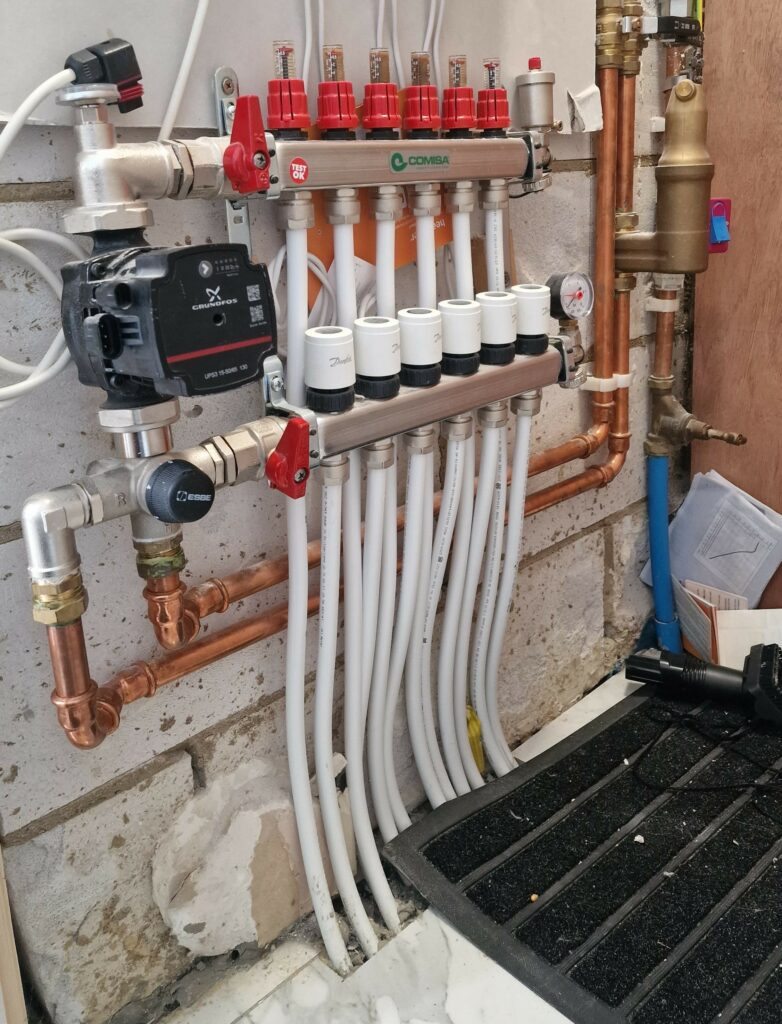
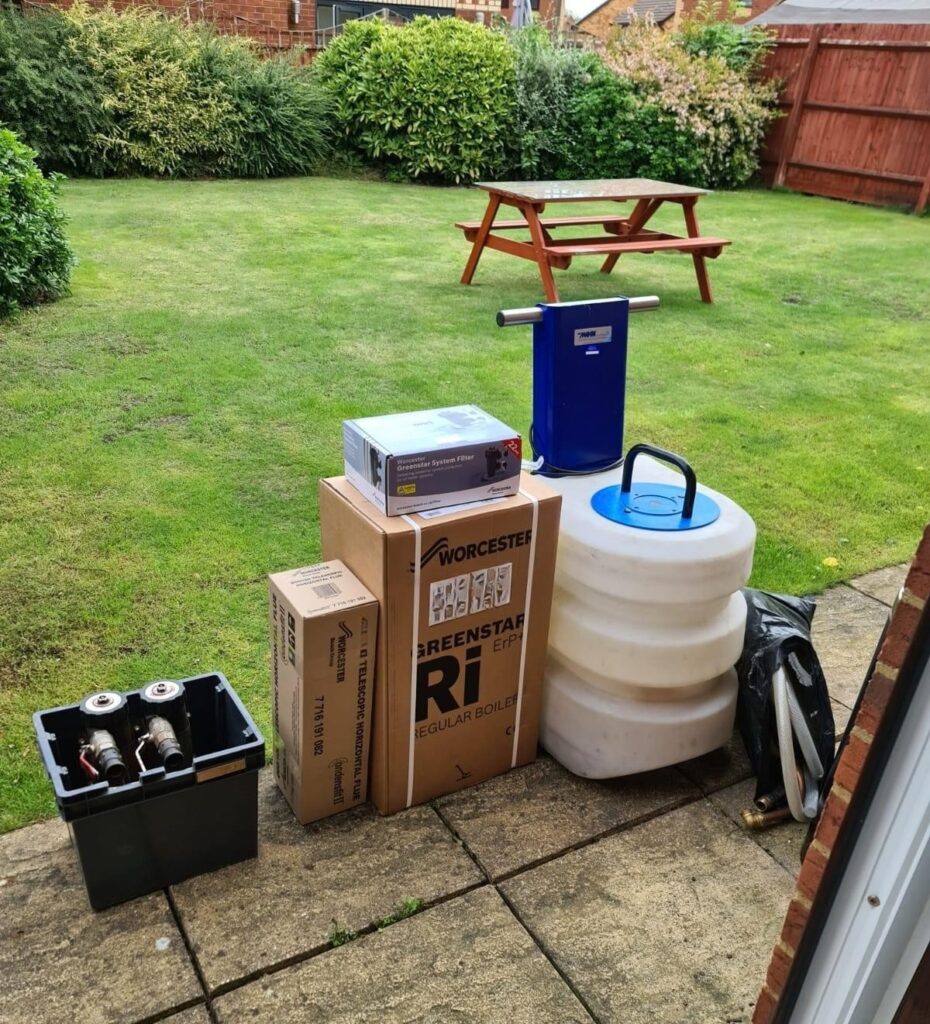
If a new boiler is being connected to an existing central heating system, the condition of the existing system water and pipework should be considered.
Older radiators and pipework may contain sludge, rust and other contamination that has accumulated over many years. Installing a new boiler without adequately cleaning a contaminated system can allow this debris to circulate through the new appliance.
However, this does not mean that every boiler replacement automatically requires a full powerflush.
An existing heating system should be properly cleaned when a new boiler is installed, but the cleaning method required will depend on the condition of the system and the level of contamination present. A full powerflush is one option, rather than an automatic requirement for every installation.
PGS can assess the existing system and recommend the right level of cleaning and protection as part of a domestic boiler installation.
Powerflush or Boiler Repair: Which Do I Need?
It is not always obvious whether a heating problem is being caused by the boiler itself or by the wider central heating system.
A boiler displaying fault codes, repeatedly locking out, losing pressure or failing to provide heating or hot water may require investigation and boiler repair.
Cold radiators, uneven heating and poor circulation can sometimes indicate contamination within the wider system.
But there is considerable overlap between the symptoms.
A circulation problem, for example, could be caused by sludge, but it could also involve a pump, valve, heating control or another component.
This is why PGS focuses on identifying the underlying problem before recommending what should be done next.
If your heating is not performing properly and you are unsure whether you need a repair, powerflush or another form of heating maintenance, our engineers can investigate the system, explain what they find and talk you through the options.
Why Choose PGS for Central Heating Powerflushing?
A powerflush involves more than connecting a machine and circulating cleaning chemicals.
Understanding how a central heating system should operate, recognising when contamination is affecting performance and identifying when symptoms point to a different problem all require heating system knowledge and practical experience.
PGS supports homeowners across Milton Keynes with a wide range of domestic heating services, giving our engineers experience of boilers, radiators, pipework, pumps, valves, controls and wider system performance.
When you contact PGS, you can expect:
- Experienced, qualified heating engineers
- Assessment before recommendations are made
- Clear explanations of what we find
- Honest advice about whether powerflushing is the right solution
- Knowledge of gas, LPG and oil-fired heating systems
- Professional workmanship within your home
- Support with wider boiler and heating system problems where required
Our aim is not simply to sell a powerflush. It is to help you understand what is affecting your heating system and identify the best way to put it right.
Our Service Area
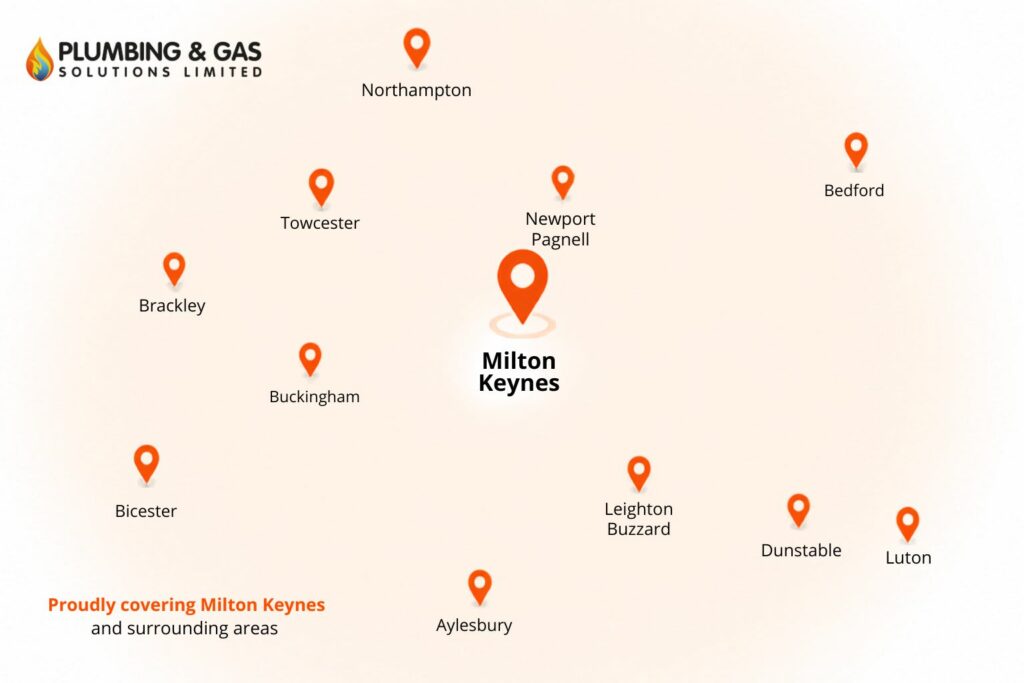
Based in Knowlhill, Milton Keynes, we support homeowners across Milton Keynes and many of the surrounding towns and villages with professional central heating powerflushing and heating system services.
Being centrally located within Milton Keynes allows us to support homeowners across a broad surrounding area.
Areas we regularly cover include:
- Milton Keynes
- Newport Pagnell
- Olney
- Towcester
- Stony Stratford
- Bletchley
- Bedford
- Buckingham
- Northampton
- Leighton Buzzard
- Aylesbury
- Luton
If you are based nearby and unsure whether we cover your location, please feel free to contact our team.
Central Heating Powerflush FAQs
How do I know if my heating system needs a powerflush?
Cold areas on radiators, slow warm-up times, uneven heating, poor circulation, dirty radiator water and some types of heating system noise can indicate contamination. However, these symptoms can also have other causes. The best way to establish whether powerflushing is the right solution is to have the heating system assessed.
How long does a central heating powerflush take?
The time required will depend on factors including the size of the heating system, the number of radiators and the amount of contamination present. PGS can give you a clearer indication once we understand your heating system and the work required. We are always happy to chat through this over the phone, call us on 01908 569031
Will I be without heating while the powerflush is carried out?
Your heating system will need to be switched off and worked on while the powerflush is carried out, so you will be without normal heating for part of the process. How long this takes will depend on the size and condition of your heating system. We'll explain what to expect before work begins so you know how the appointment is likely to affect your day.
Will a powerflush fix cold radiators?
It can help where cold areas are being caused by sludge or debris restricting circulation through the radiator. However, cold radiators can also be caused by trapped air, faulty valves, balancing problems, pumps or other heating system faults. If contamination is not the cause, powerflushing will not resolve the underlying problem.
Can a powerflush damage an old heating system?
Older heating systems can often be powerflushed, but their condition should be assessed first. If pipework, radiators or components are already heavily corroded or weakened, cleaning can sometimes expose an existing problem that was previously hidden by deposits within the system. This is why PGS assesses the condition of the heating system before recommending a powerflush. If we believe another cleaning method would be better suited to your system, we'll explain why and discuss the options with you.
Do I need a powerflush when replacing my boiler?
Not necessarily. An existing heating system should be properly cleaned when a new boiler is installed, but whether a full powerflush is required will depend on the condition of the system and the level of contamination present. PGS can assess the existing system and recommend the right cleaning method for your installation.
How often should a central heating system be powerflushed?
Powerflushing is not generally something that needs to be carried out according to a fixed annual schedule. The need for a powerflush depends on the condition of the system, its history, the quality of the system water and whether sludge or contamination is affecting performance. Good ongoing system protection and maintenance can help reduce future corrosion and contamination.
Is Your Heating System Not Working As Well As It Should?
Cold radiators, slow heating, unusual noises and poor circulation can all be frustrating, but you don't need to work out what's causing the problem yourself. If contamination is affecting your central heating system, powerflushing may help restore better circulation and performance and, in some cases, improve energy efficiency. If the problem lies elsewhere, our engineers can explain what they have found and recommend what to do next.
Talk to PGS about your heating system and arrange an assessment today.
Call 01908 569031 or complete the form below.